analog youth
About a month ago my mom texted me, telling me she’s going to close out our storage unit and that I needed to get all my shit out. “Okay, cool,” I told her. So over the last few weeks I’ve made 3 trips to get various belongings: an old Schecter guitar, an old bass, the amp for the bass, and boxes and boxes of books and clothes (hence the 3 trips). I also have a box full of old CDs but I’ve left them for my brother, as a sort of payment for taking care of what’s left in the unit (mostly my dad’s stuff).
It’s always fun/interesting/kinda weird coming across shit from your past. Makes you feel nostalgic, but also… sad? Melancholic? Are these things baked into the nostalgia? Anyway, two things of note I retrieved from the unit: a shoebox full of old pictures and a Glyph 1.5 TB hard drive that I bought in 2010.
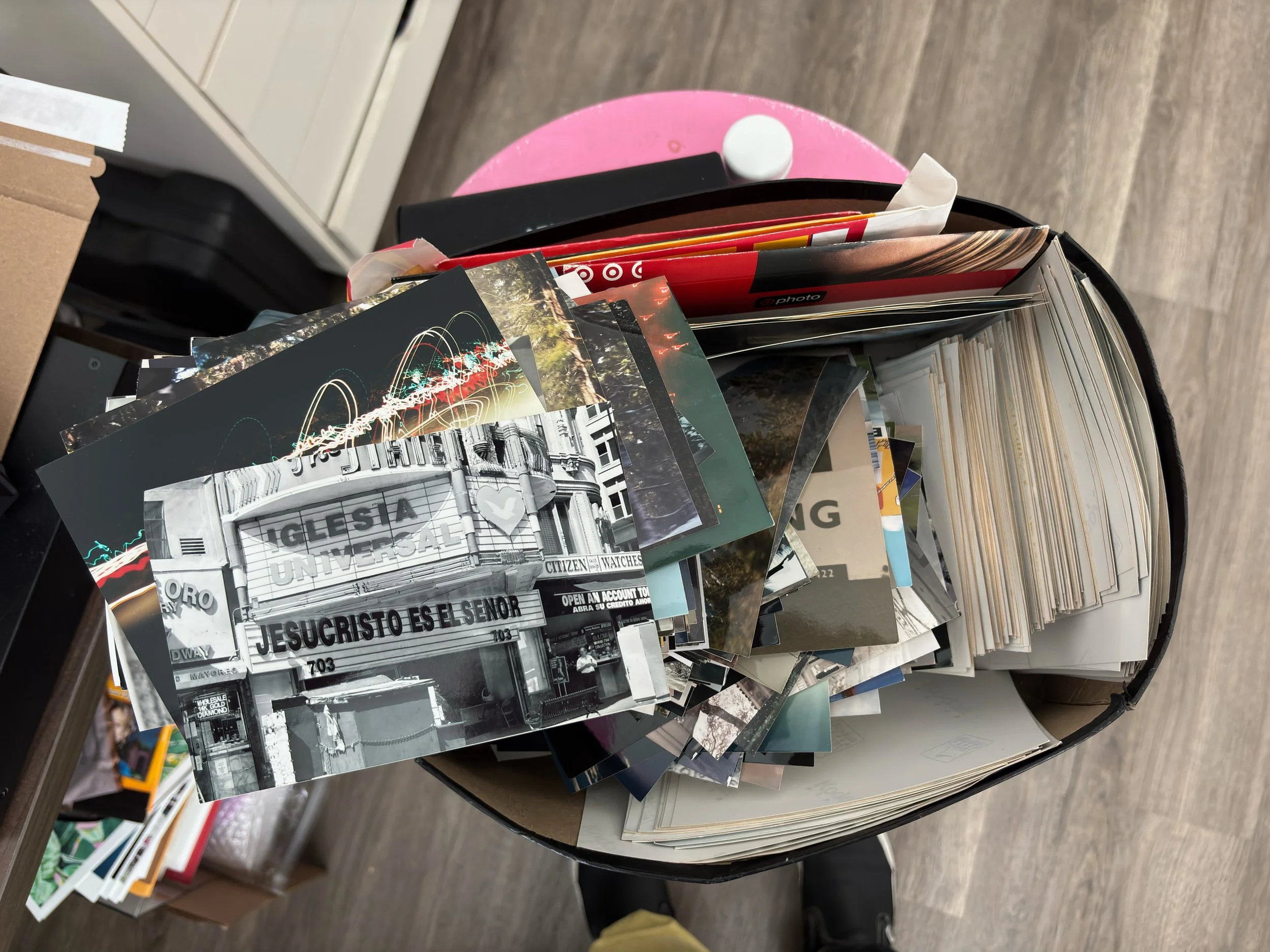
This shoebox is hanging on to within an inch of its life.
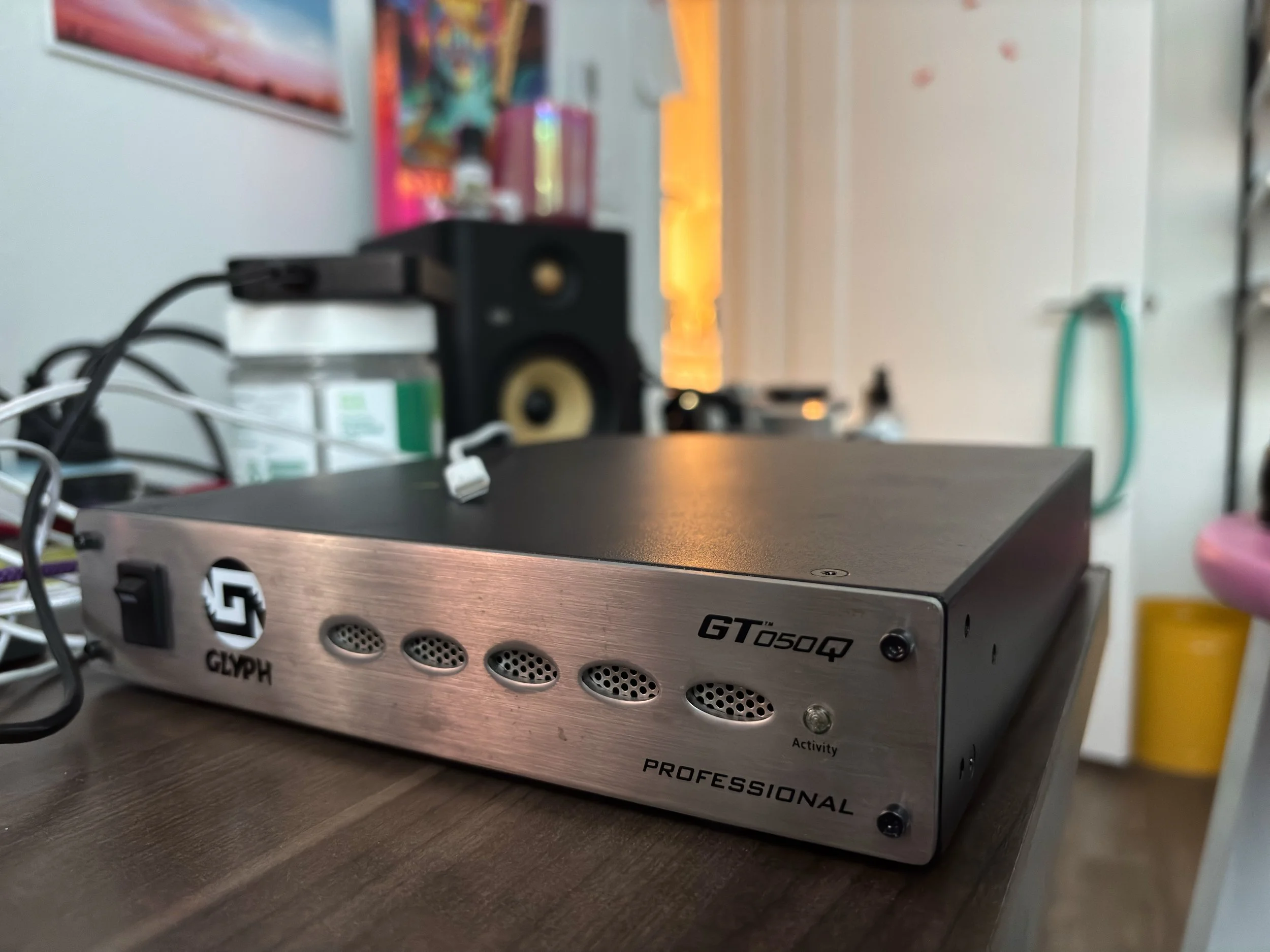
All this for 1.5 TBs. How quaint.
I got this thing in 2010 and it’s a beast, requiring its own power supply. I couldn’t remember what I had put on it and figured it wouldn’t even work anymore, so you can imagine my surprise when I hooked it up and it fired right up. The real surprise was what I found on it: GBs of RAW photo files, both from my old Olympus PEN EPL-1 and Nikon D7000 cameras. Files I thought were totally lost. So after spending a couple evenings backing everything up to my comparatively tiny Samsung 4 TB drive, I started editing shots I hadn’t looked at in over 10 years.
But before I post those, why not look at some of the old film pictures? Right? Everyone loves film these days! Looking at these old snaps I must concede that film has a certain je ne sais quoi quality to it. I stubbornly resisted switching to digital. I was perfectly content with my Canon Rebel 2000 and didn’t see the need to “upgrade” to digital. Is digital cheaper, more convenient, and technically “better” than film? Well, yes and no.
Generally speaking, digital handles shadows and low light better than film, but film handles highlights better than digital. Of course, this all depends. Different digital sensors handle shadows and highlights differently and different film stocks handle shadows and highlights differently and if you know what you’re doing, then you can get great images from both form factors. Clearly, digital is more convenient and cheaper than film, but the finite nature of film rolls forces one to be more judicious and deliberate in shooting.
However, the je ne sais quoi. Film just has a look that digital doesn’t. There are all kinds of curve edits and emulators and plug-ins you can use to make your digital pictures look like film, but there’s something about the physics of capturing an image onto a physical surface that produces a certain type of aesthetic.
So here’s a collection of scans from the shoebox. All these were taken when I was in my late teens/early 20s, from ‘00-’06. Half were shot with the Rebel 2000 and the others were random point-and-shoots, disposable cameras, etc.
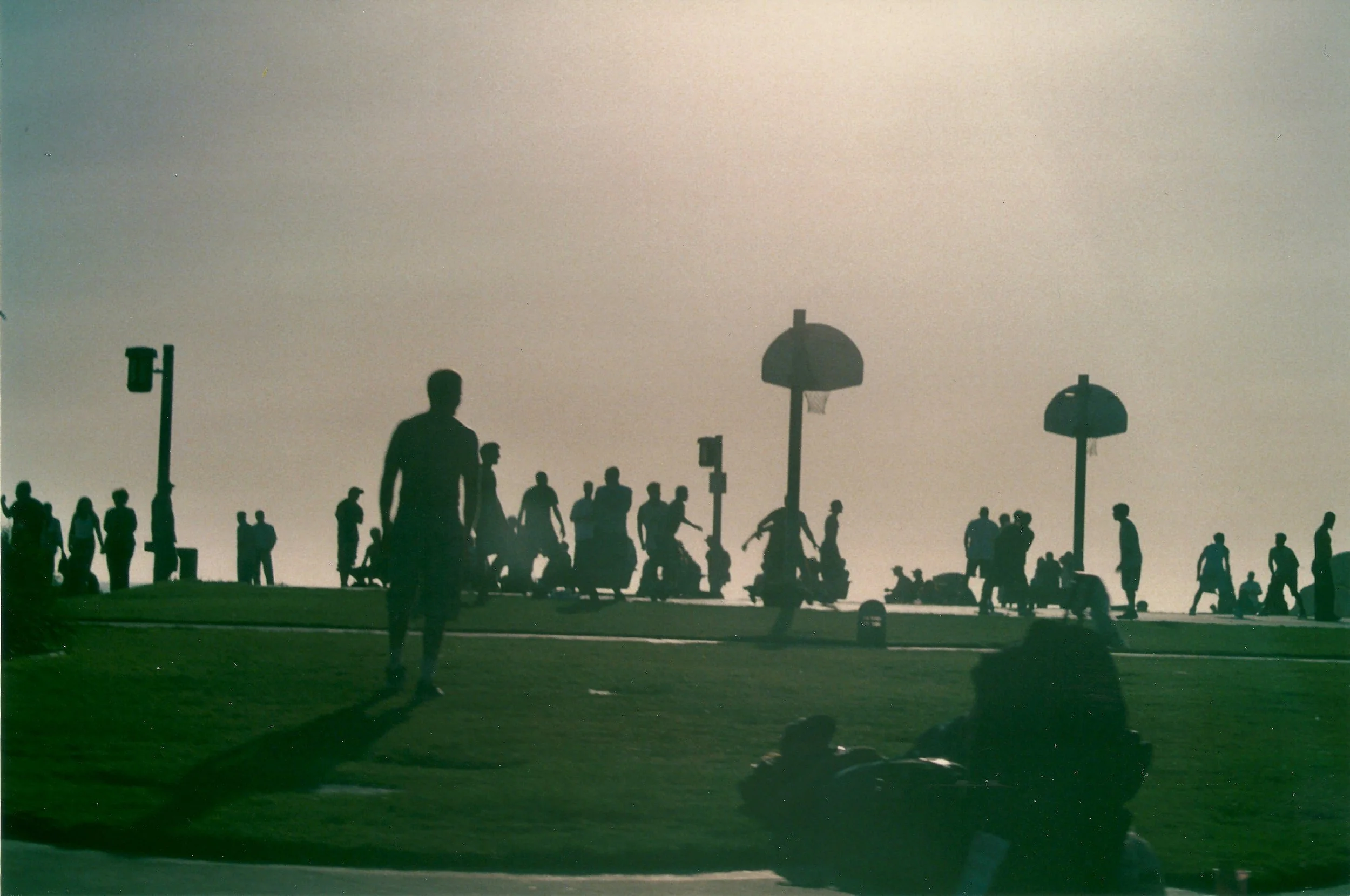
Laguna Beach. Am I wrong, though? There’s a je ne sais quoi here, non?
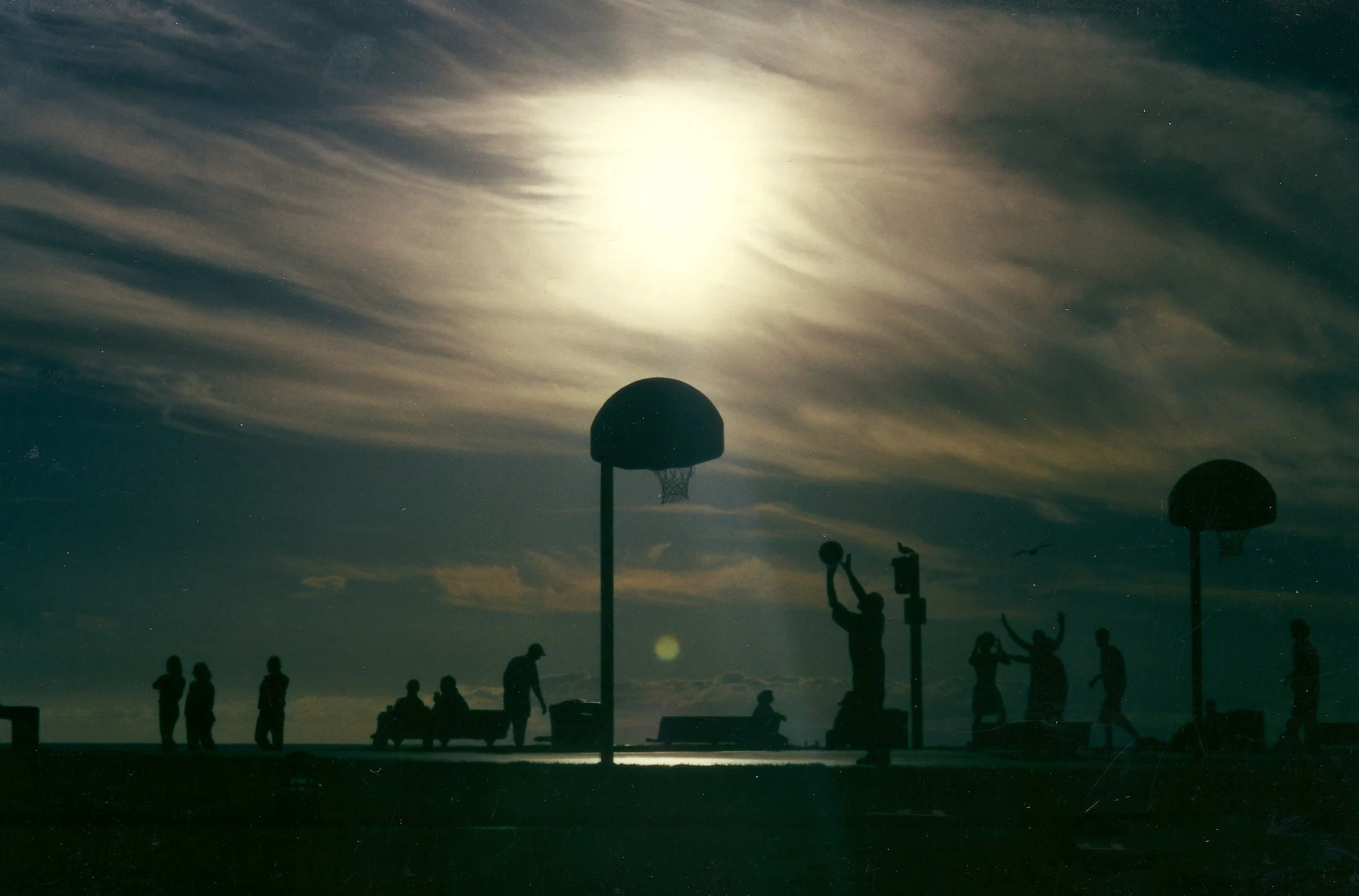
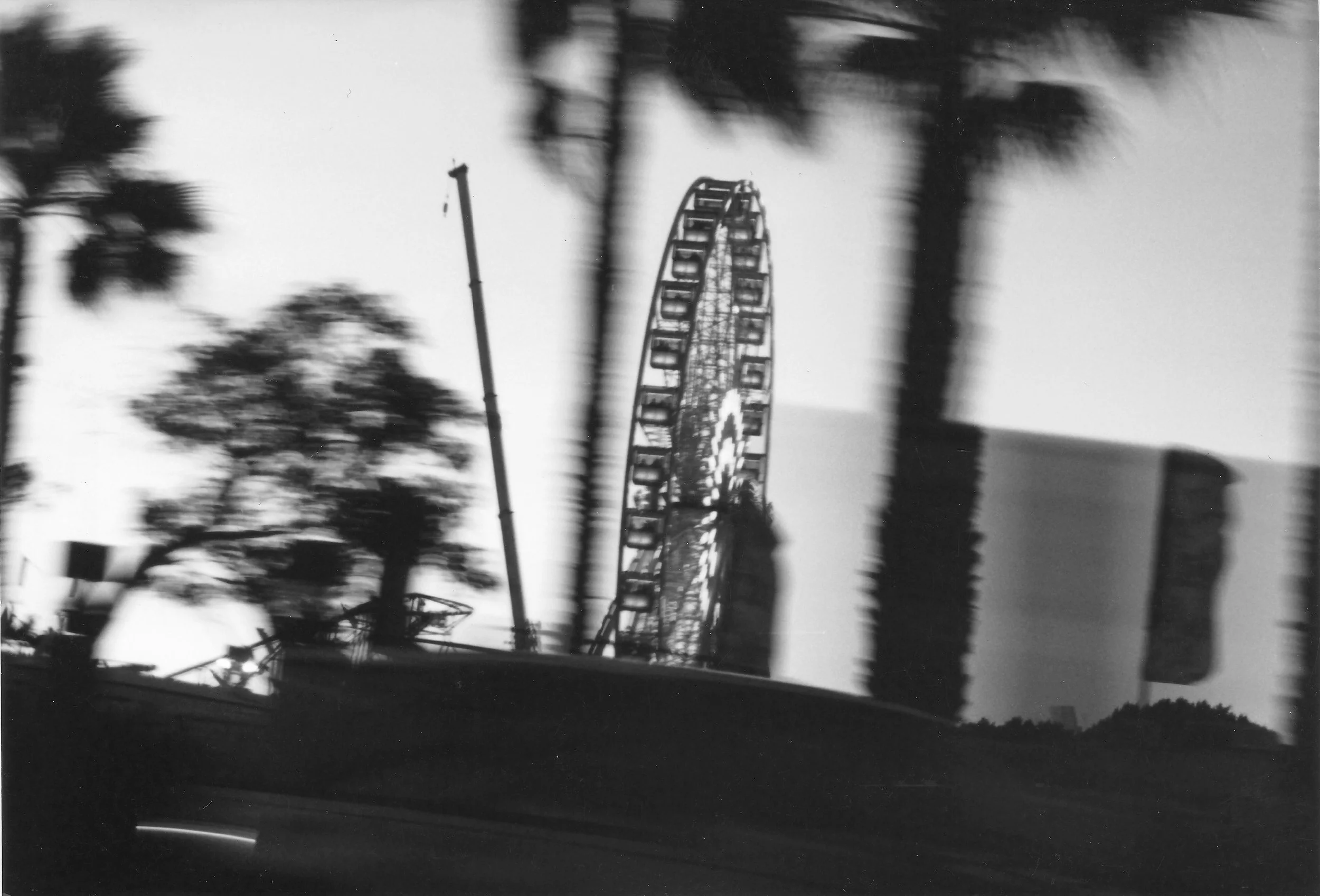
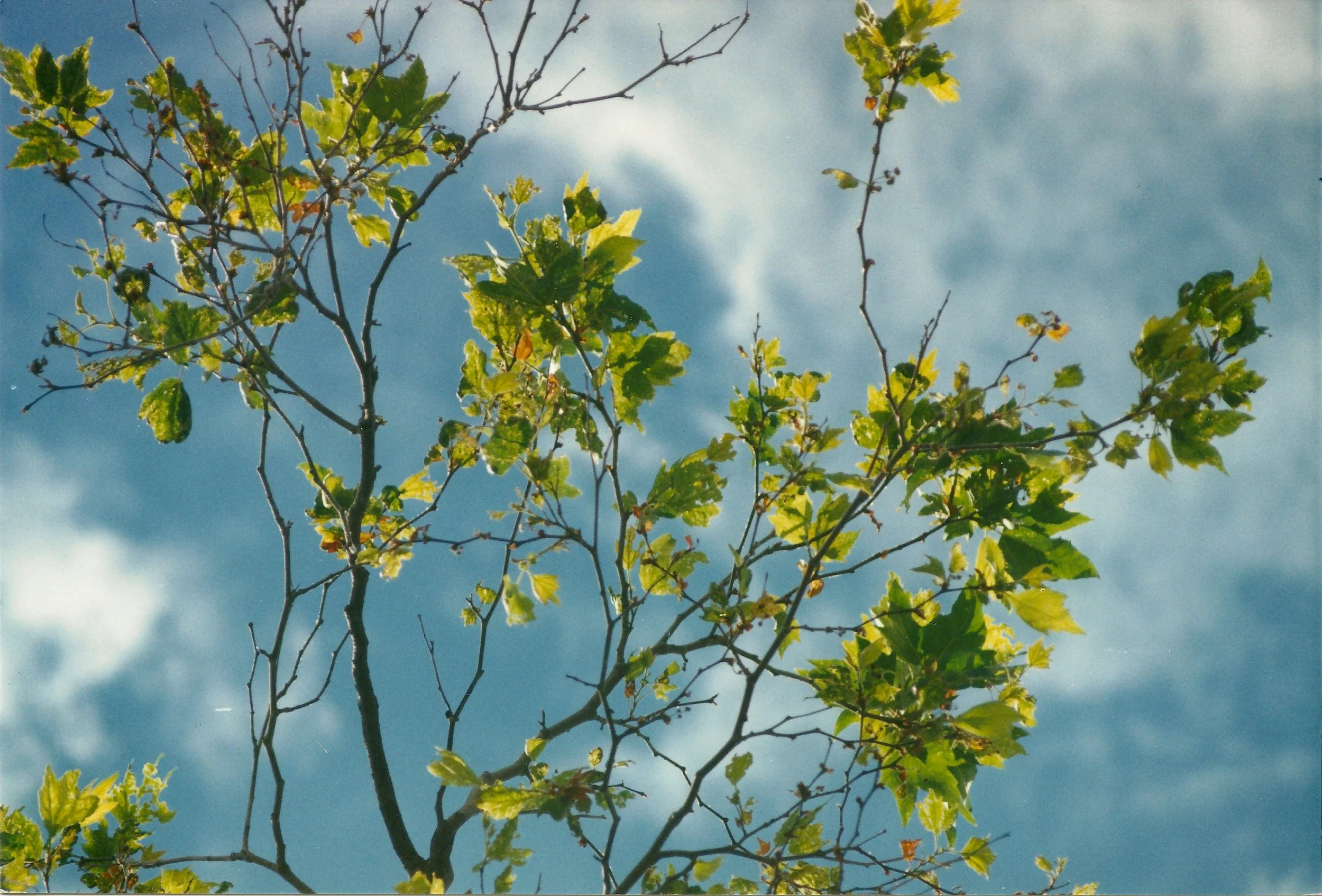
Think I took this in a parking lot.
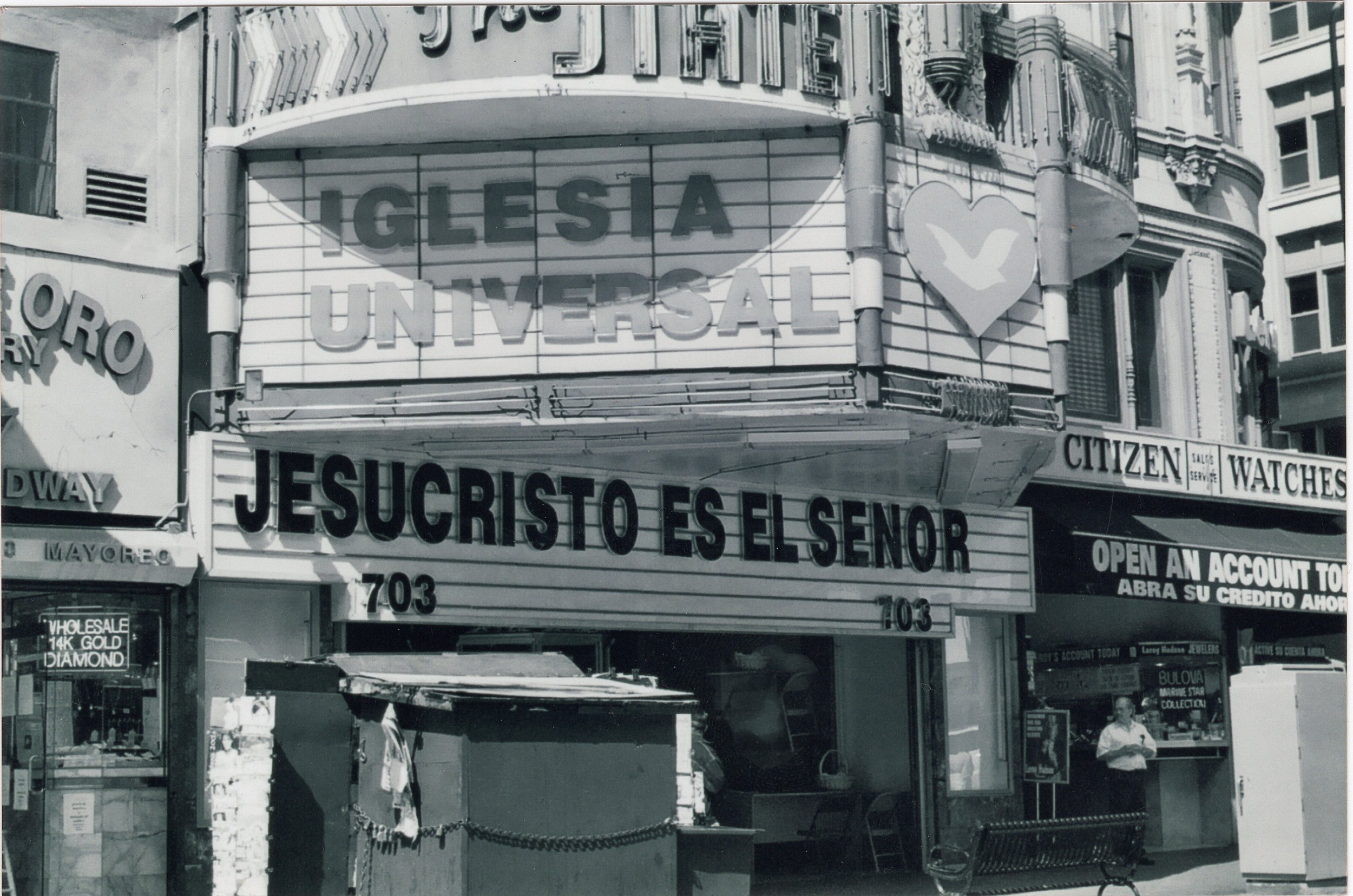
Downtown LA. 2000-2001.
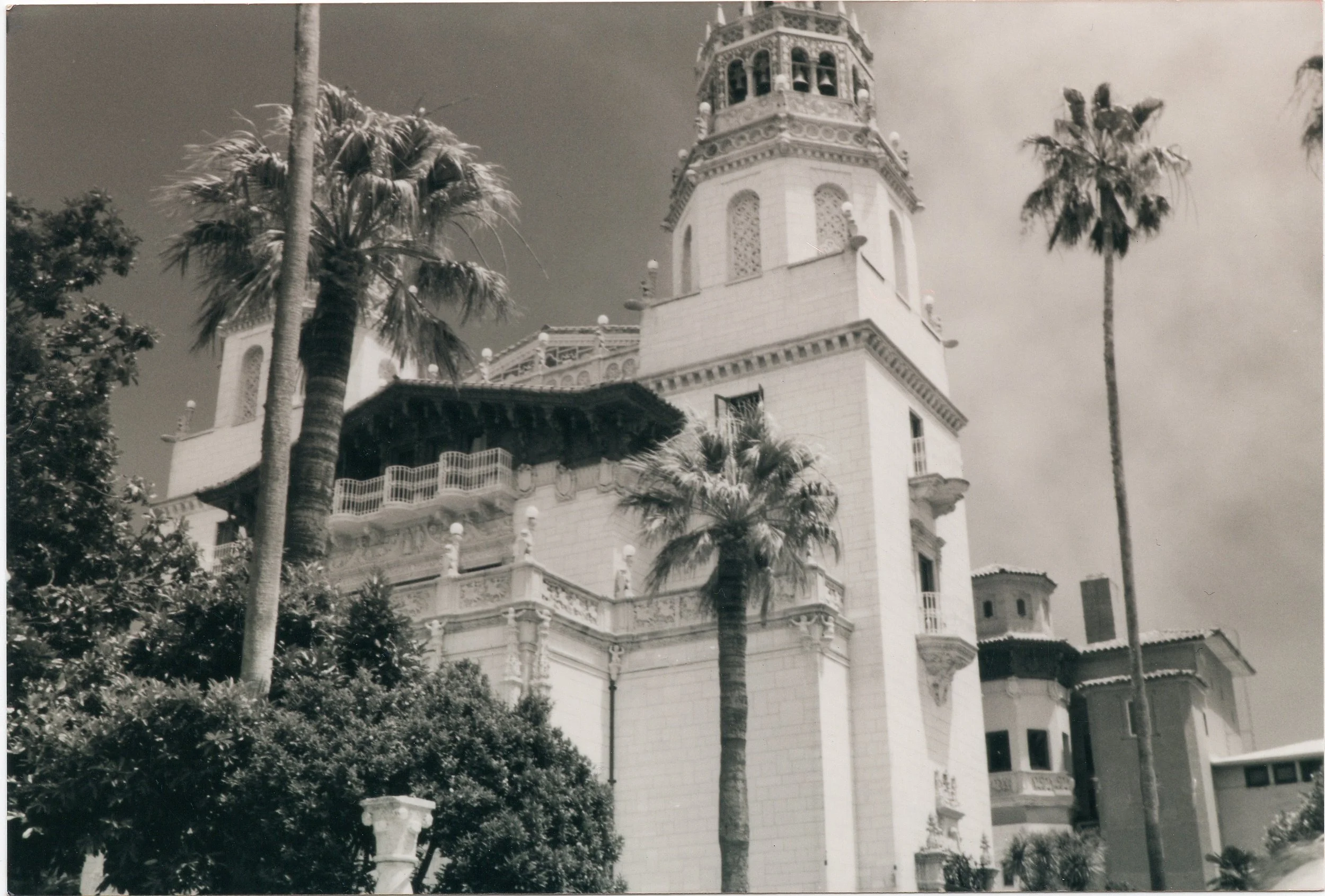
Hearst Castle. Early 2000s.

Heisler Park.
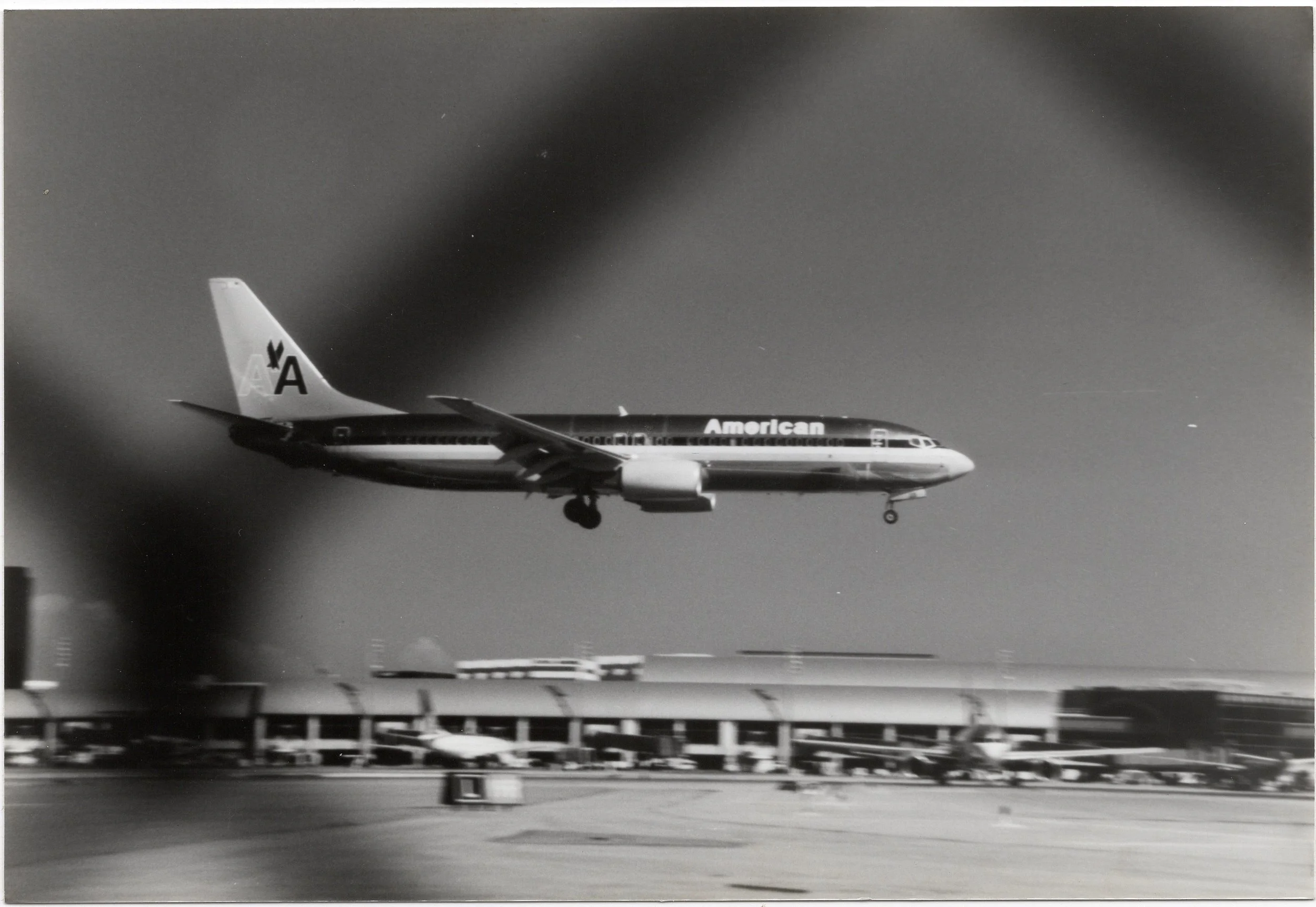



Mexico.
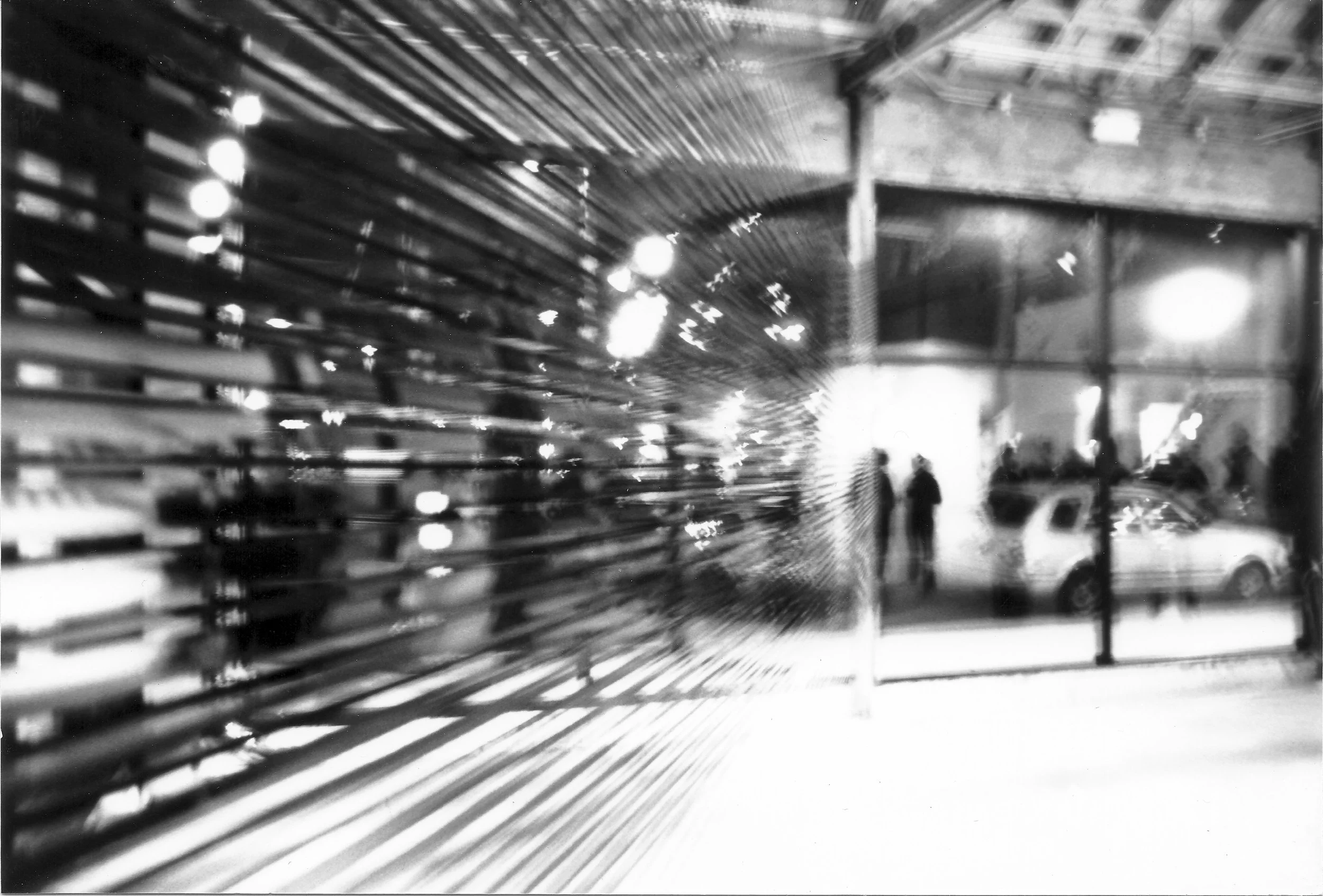
Santa Ana Artists’ Village.

Central Oregon.


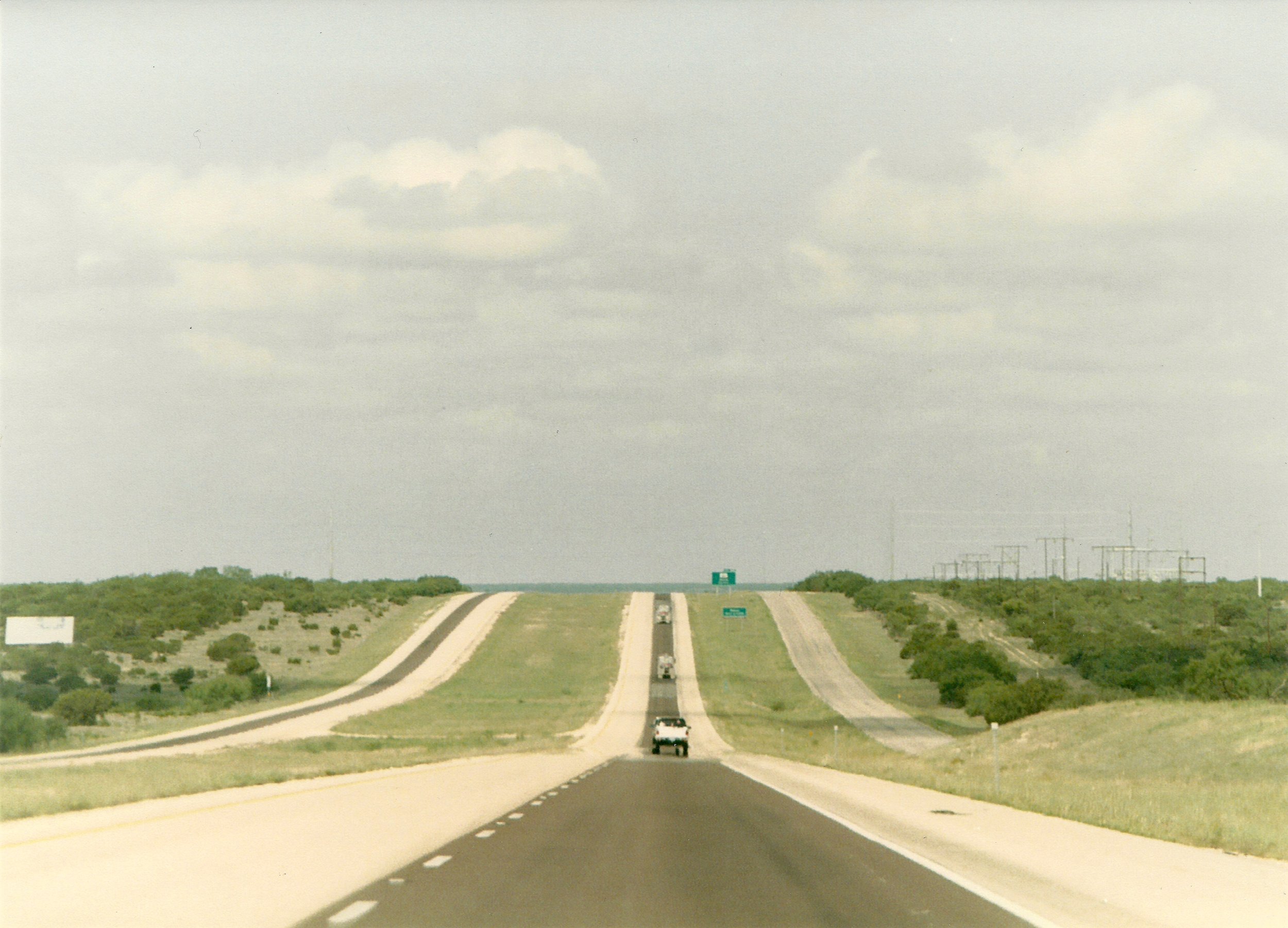
West Texas, ‘06. Really holding out on switching to digital.
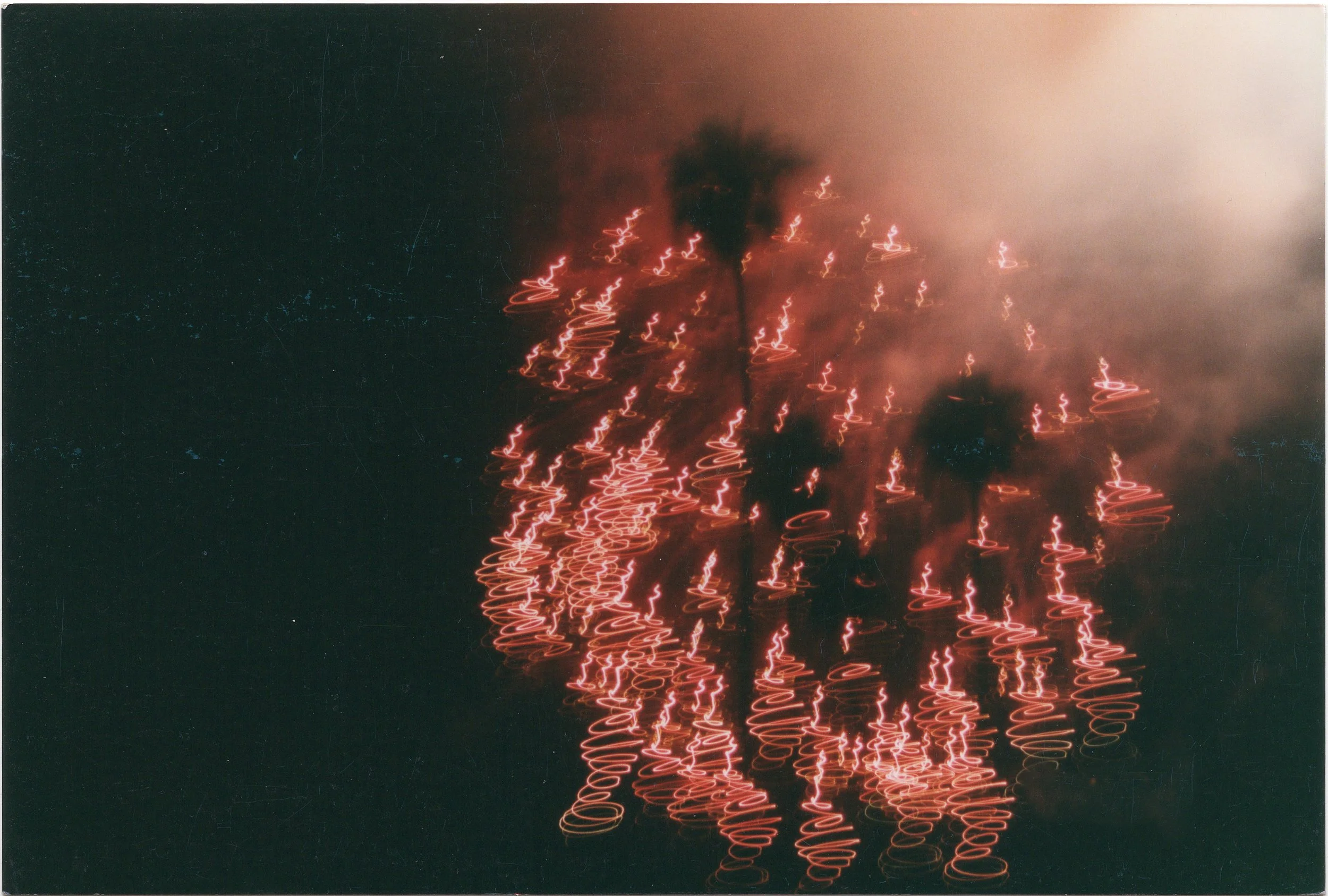
4th of July.
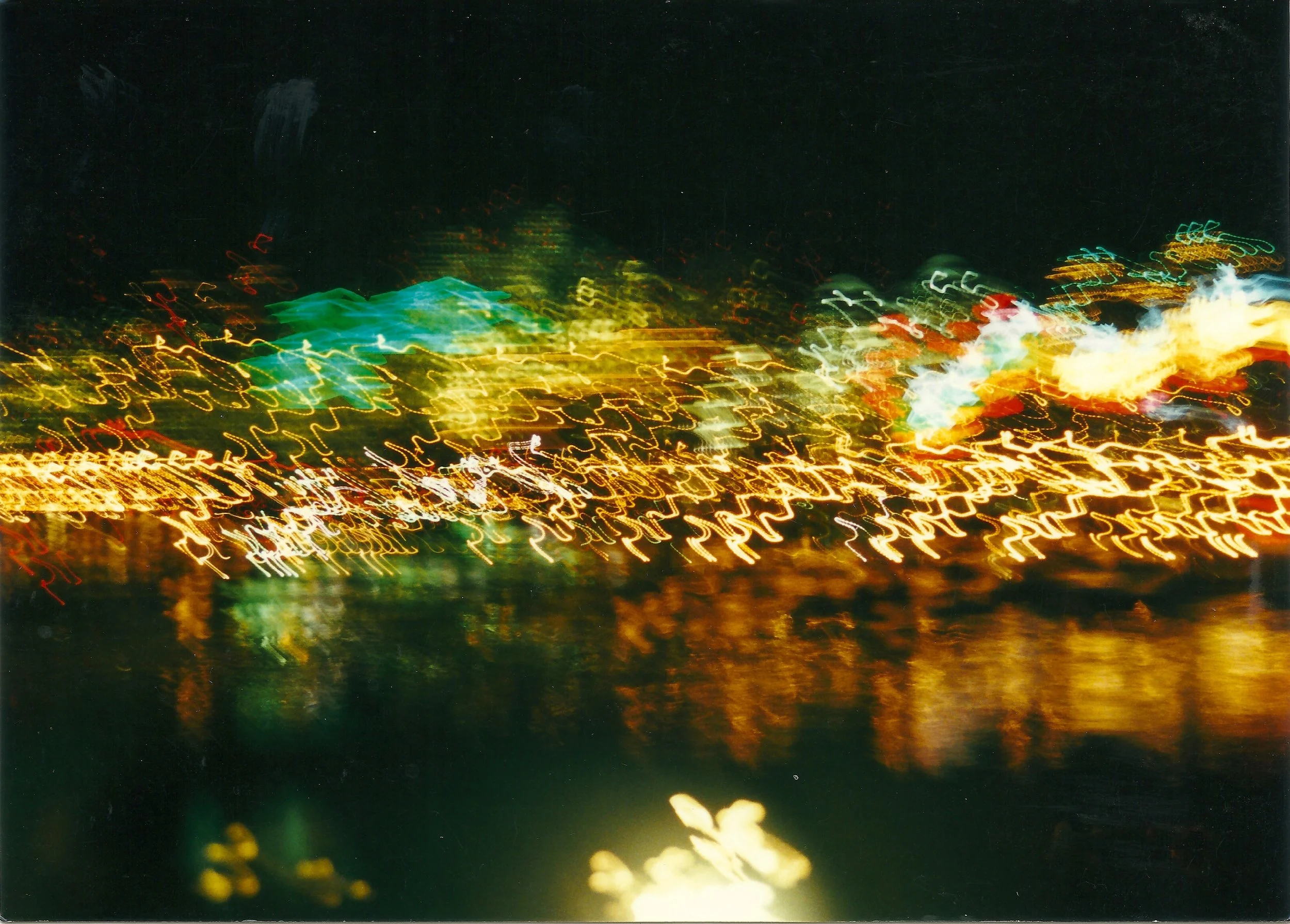
Portland, OR.
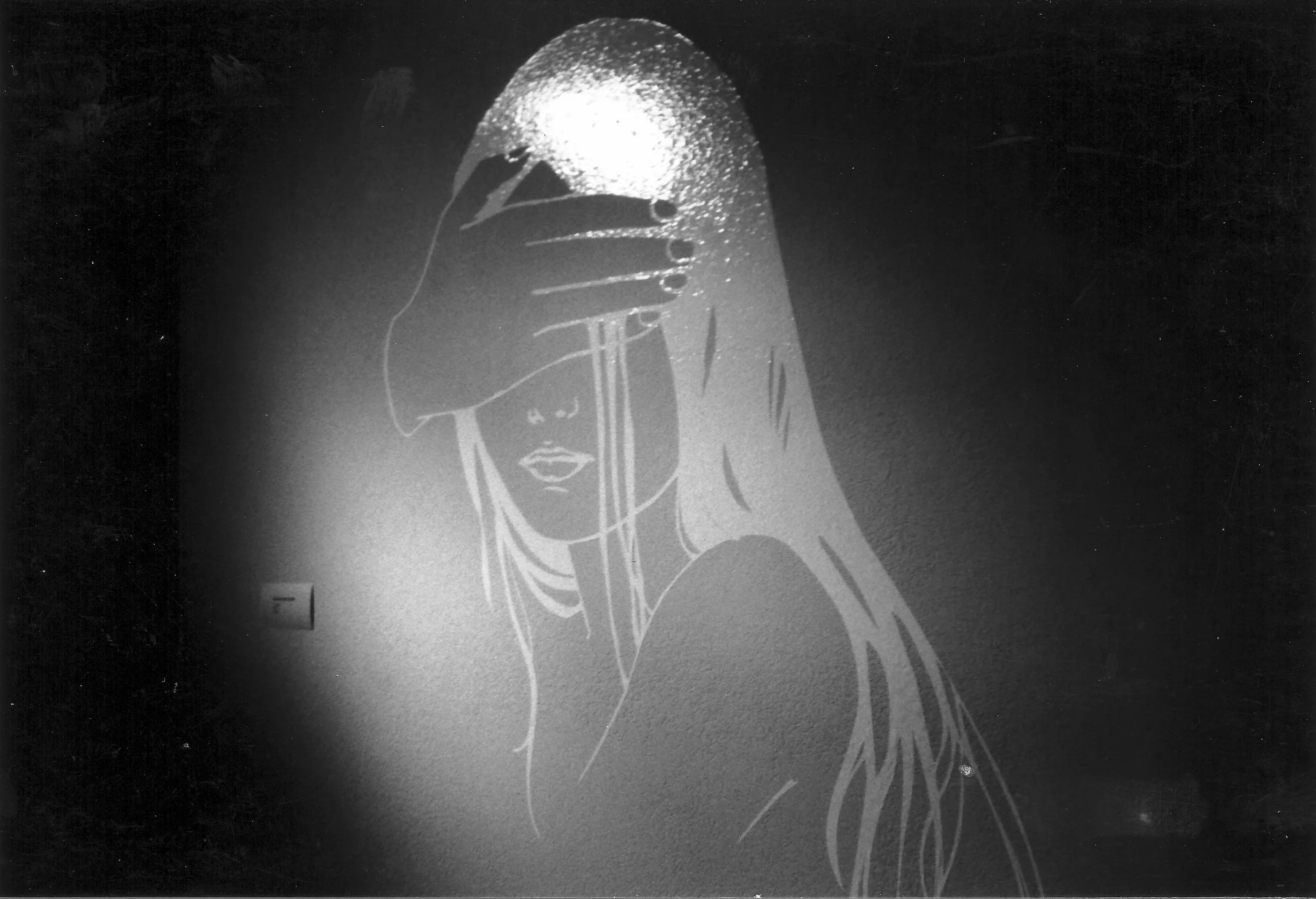
Artists’ Village in Santa Ana.
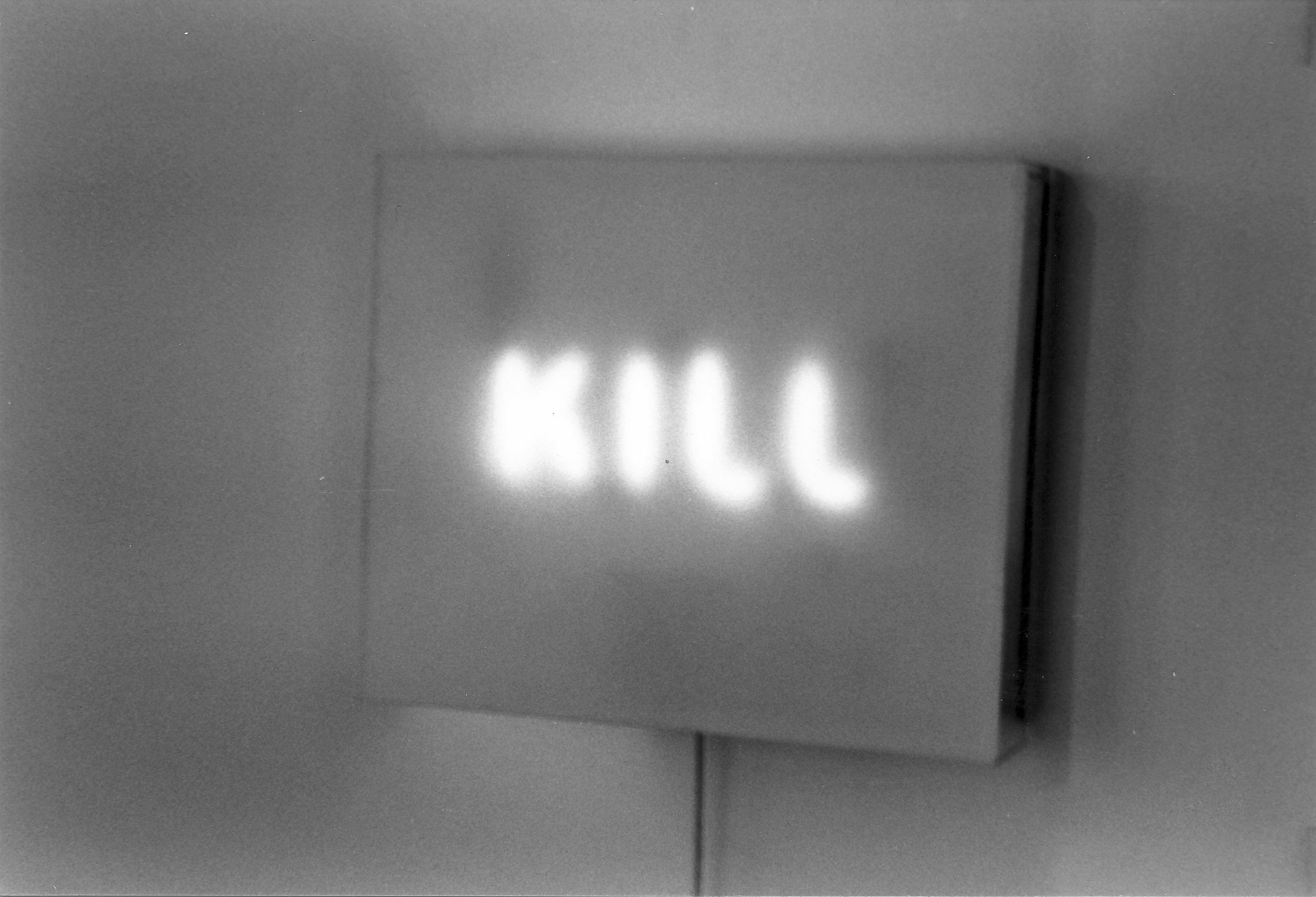
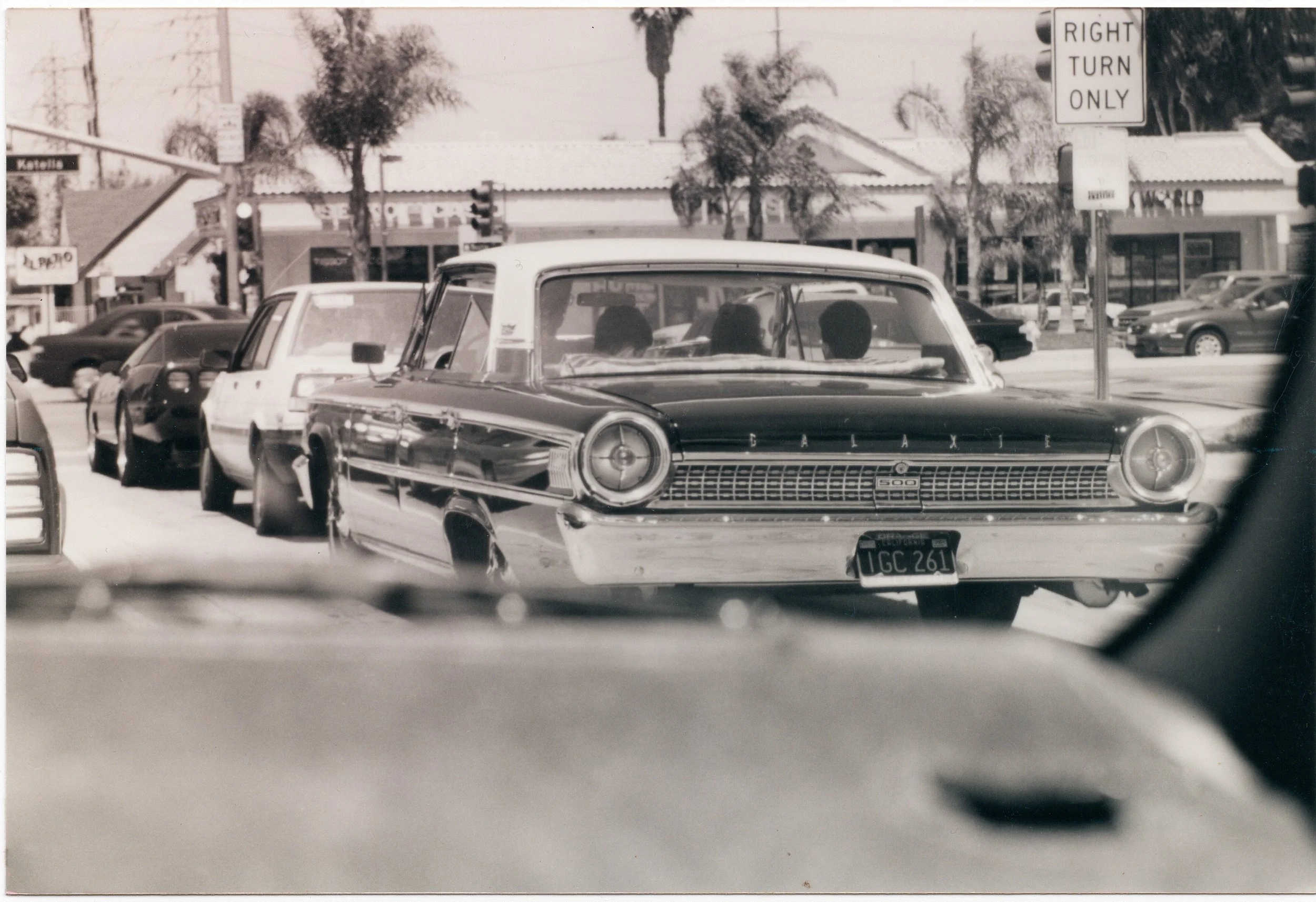
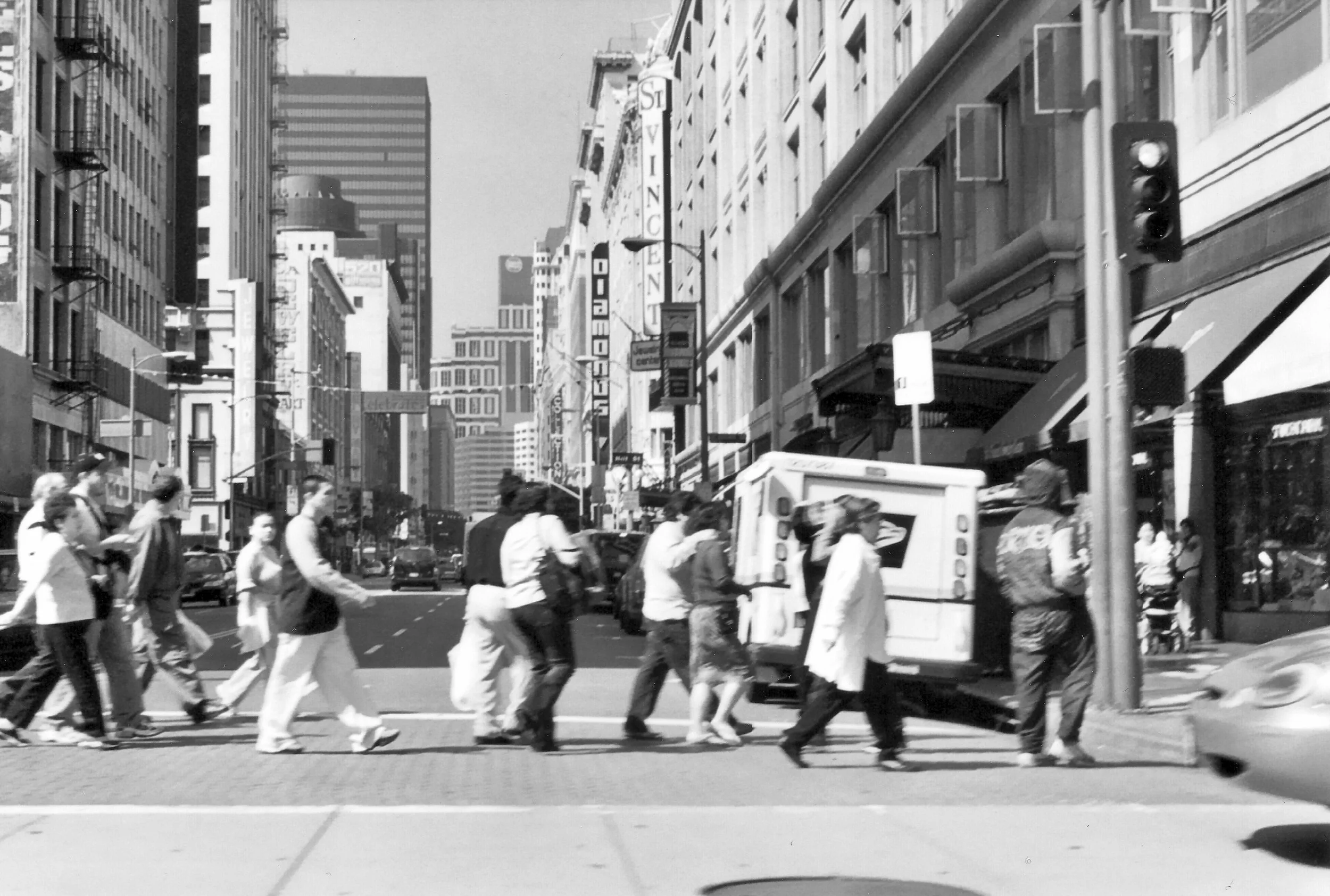
Downtown LA, circa 2002.
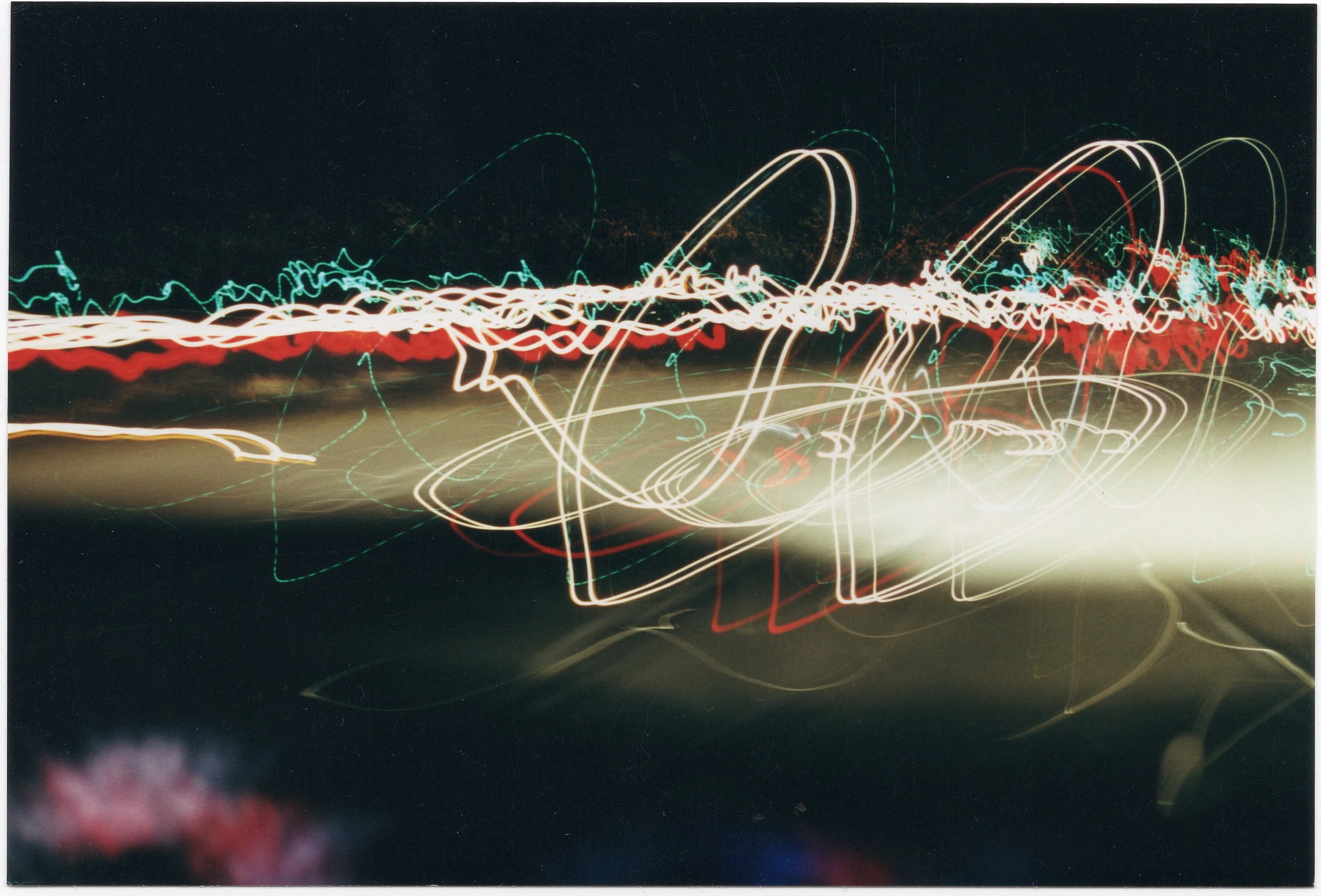
I was really into slow shutter speeds and shaking the camera while the shutter was open. This was taken at an intersection and the dashed turquoise light is alternating current and the solid red and white lights are direct current (AC/DC).

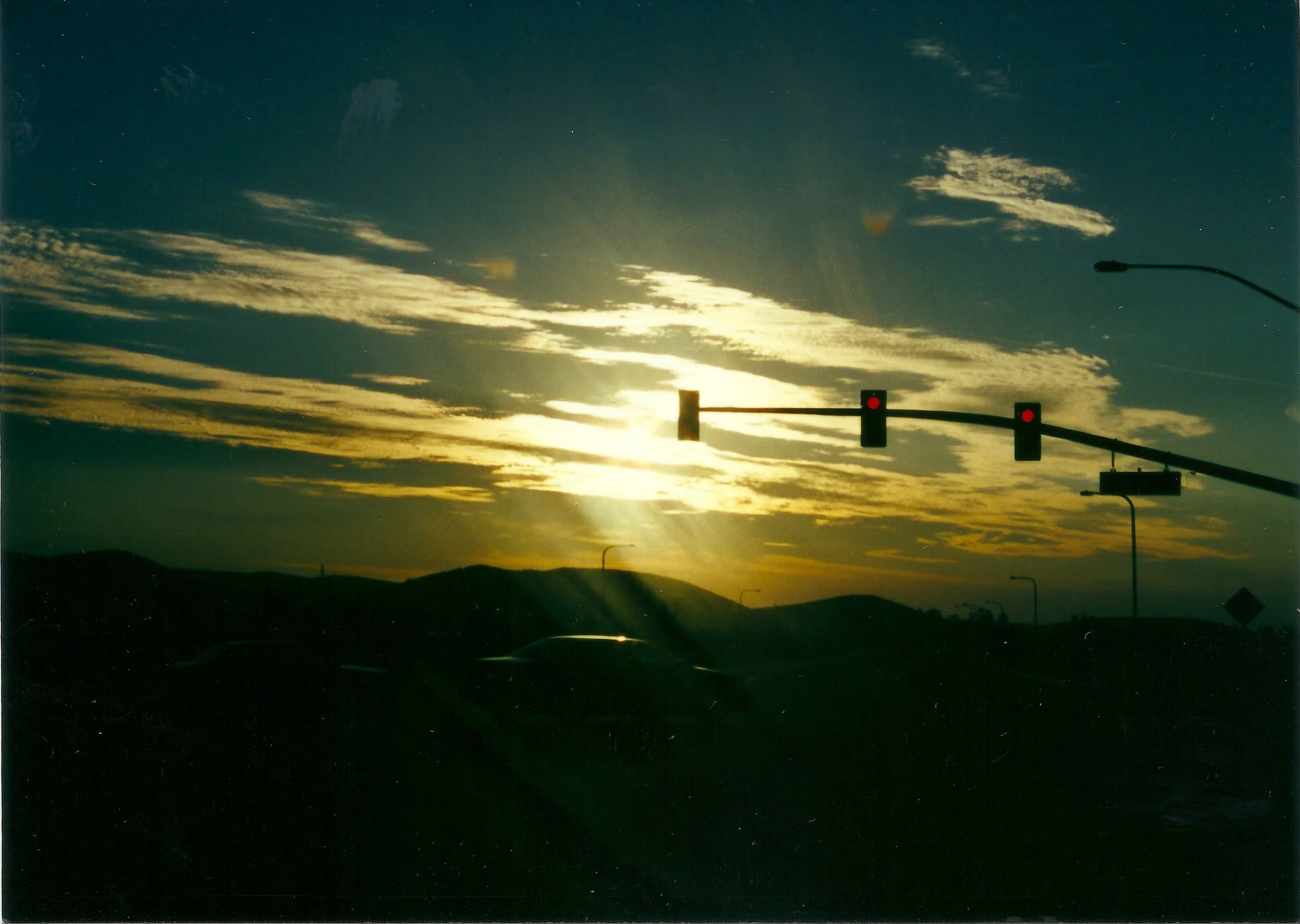
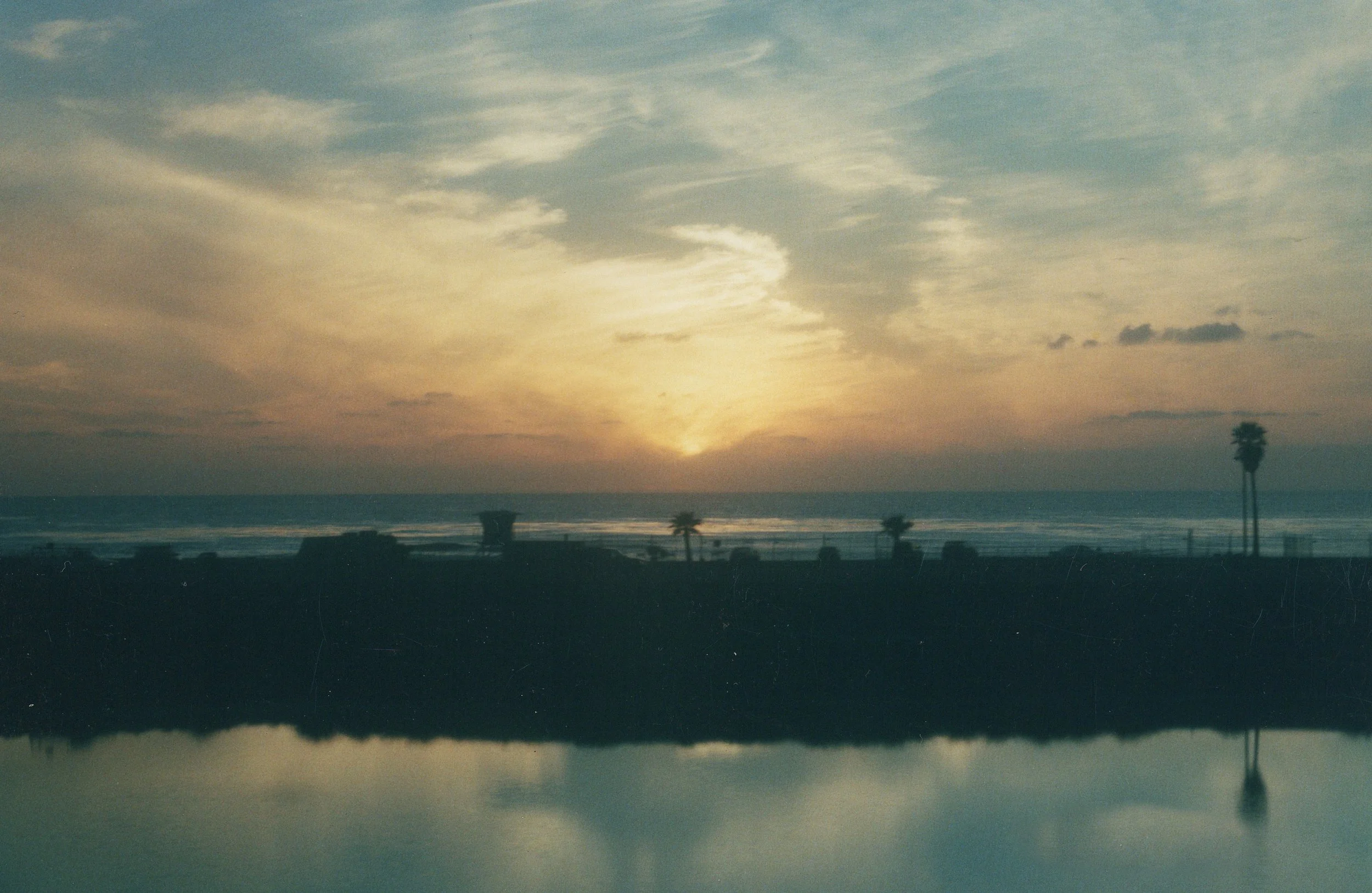
San Diego.
Would I ever go back to shooting film? It’d be cool, for sure. The cameras themselves, both new and vintage, are considerably more affordable than digital cameras (particularly mirrorless), but what you save in camera bodies you’ll spend in film rolls. Not to mention the process of developing. So maybe.
That je ne sais quoi, though…
